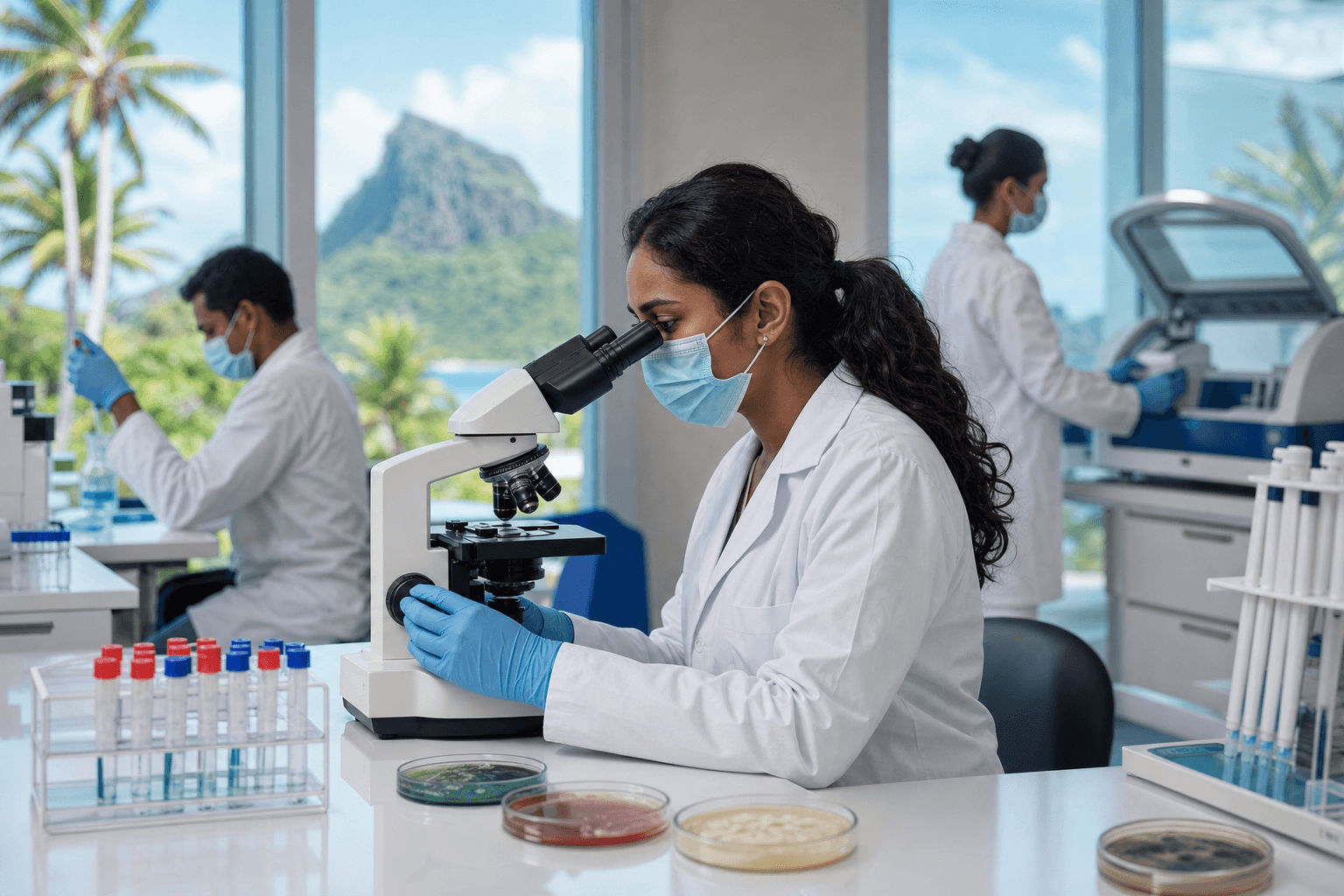
When you have an infection, the right treatment depends on knowing exactly what is causing it. That knowledge comes from the microbiology laboratory, a quiet but essential part of healthcare. Microbiologists identify the bacteria, viruses, fungi, and parasites behind illness, and they work out which medicines will actually clear them. Their work shapes decisions made at the bedside every day.
Naming the culprit
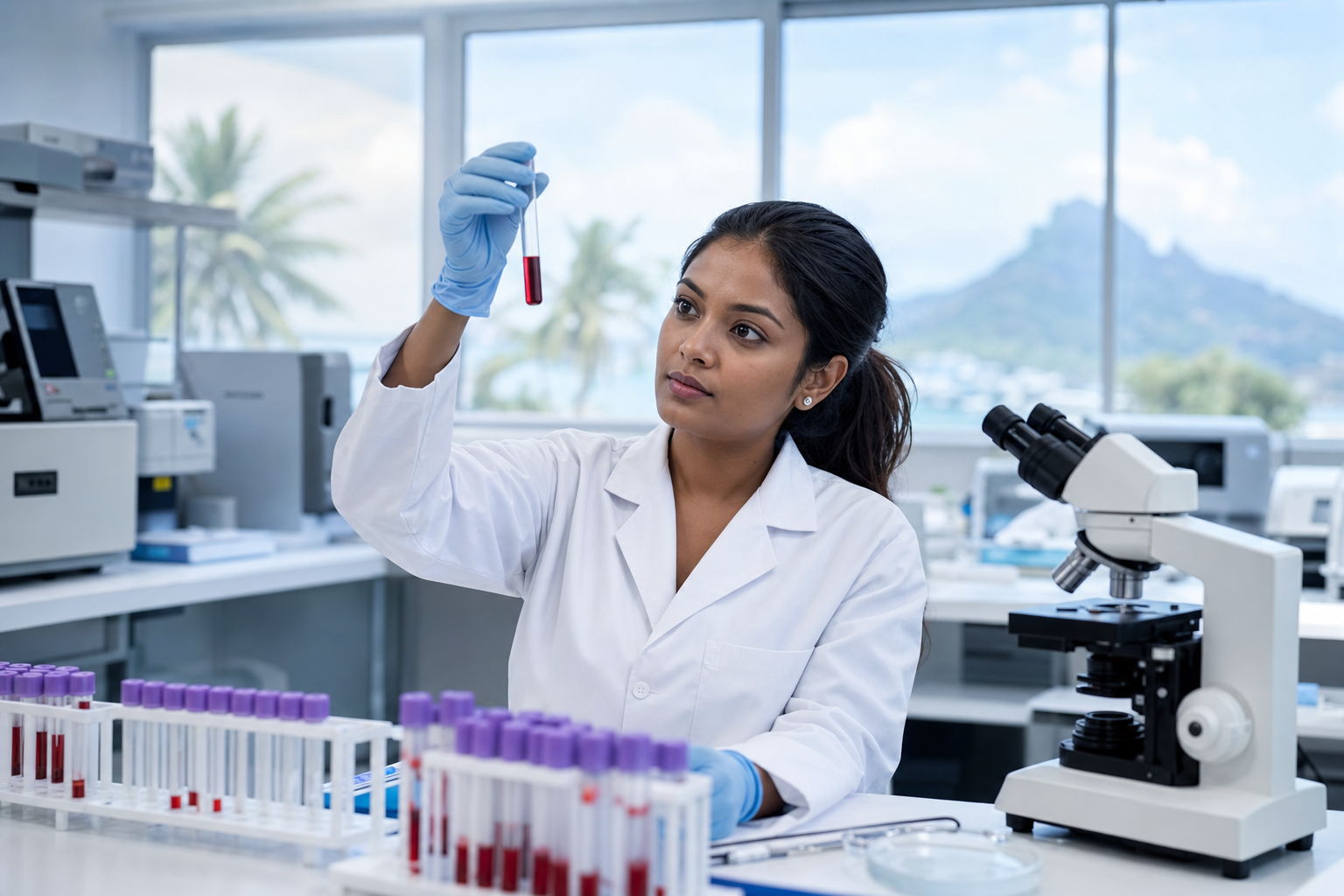
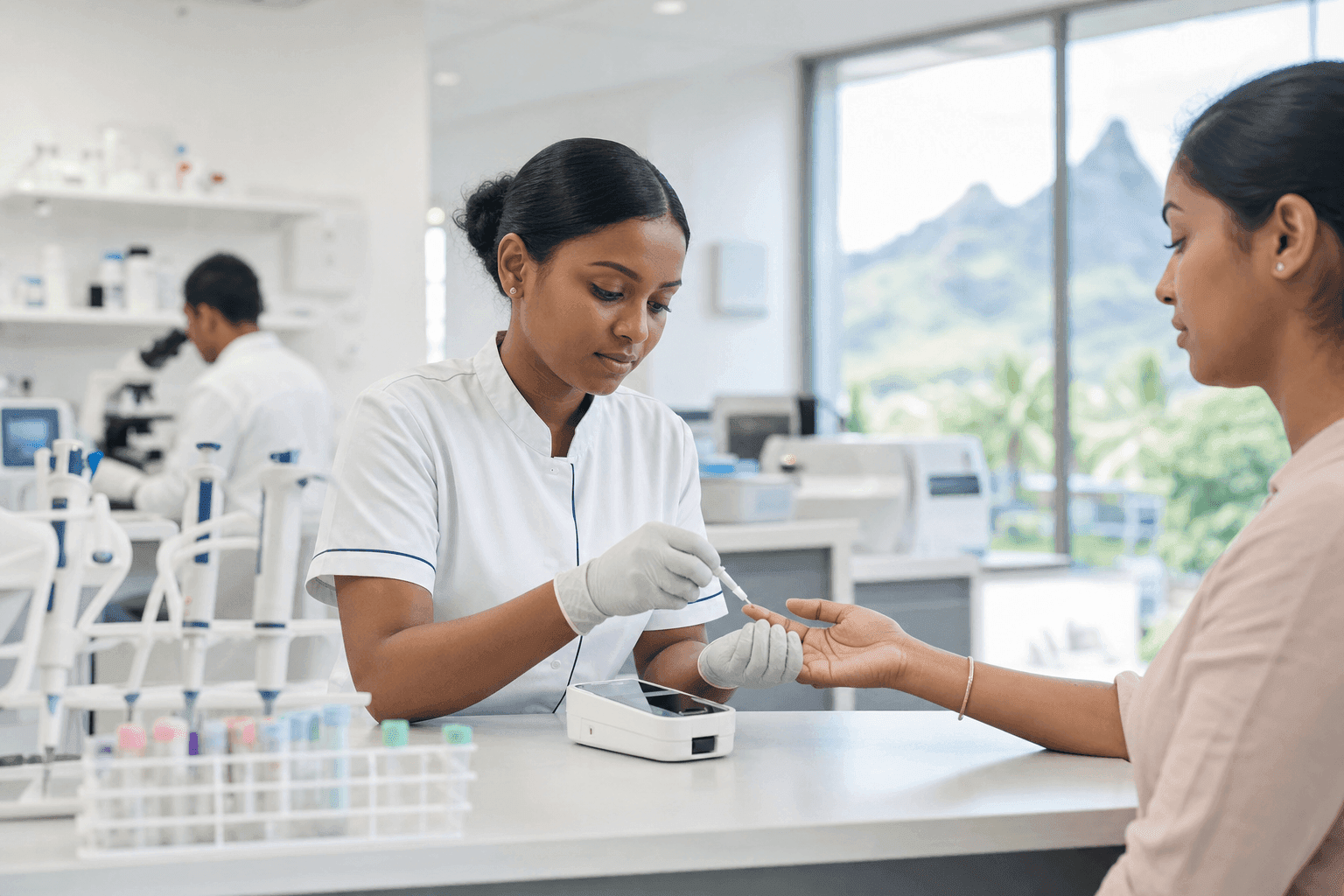
Many infections share the same symptoms. A fever, a cough, or a burning sensation when passing urine could each have several causes, and the best treatment differs for each one. The laboratory narrows this down by examining a sample, whether it is blood, urine, sputum, a wound swab, or spinal fluid. Identifying the precise organism turns guesswork into a targeted plan.
Culture, the classic method
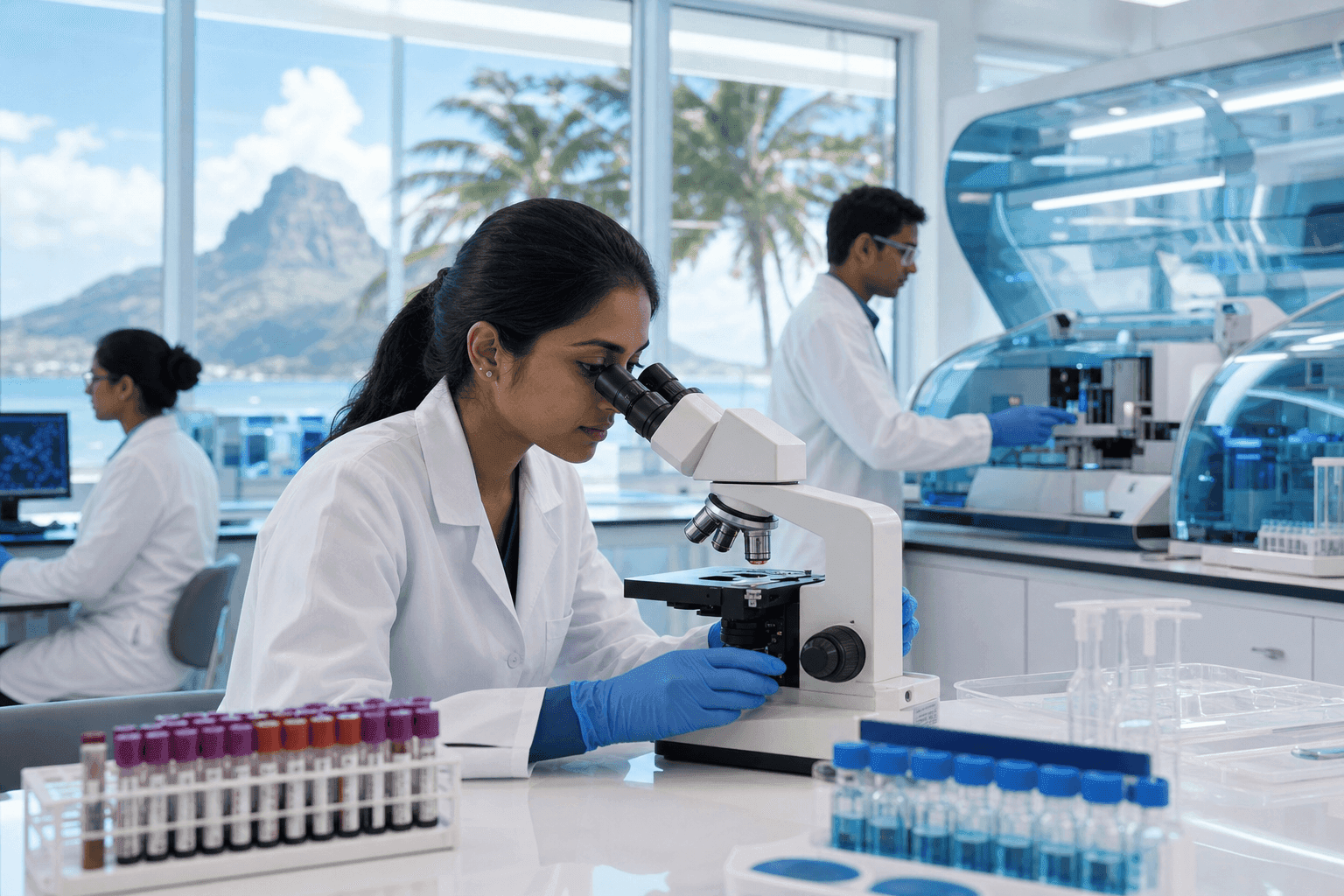
The traditional approach is culture. A sample is placed on a nutrient rich medium that encourages any germs present to multiply until there are enough to study. Scientists then examine their shape, growth pattern, and chemical behaviour to name them. Culture is powerful because it grows the living organism, but it takes time, often a day or two and sometimes longer for slow growing germs such as the bacterium that causes tuberculosis.
Testing which drug will work
Identifying a germ is only half the job. The laboratory also performs sensitivity testing, exposing the organism to a panel of antibiotics to see which ones stop its growth. The result guides the doctor toward a medicine that will work and away from one the germ can resist. This step is the difference between a prescription based on hope and one based on evidence.
Faster molecular methods
Modern laboratories increasingly use molecular tests that detect the genetic material of a pathogen directly. Techniques such as PCR can confirm a specific virus or bacterium within hours rather than days, and they can find organisms that are difficult to grow in culture. During outbreaks, this speed matters enormously, because knowing the cause within hours lets doctors isolate patients, start the right treatment, and reassure those who test negative. Some molecular tests can even detect resistance genes at the same time, flagging a stubborn infection before culture results are ready. Molecular and culture methods are complementary, with each answering questions the other cannot, and a good laboratory chooses the right tool for each case.
Why this matters for Mauritius
An island climate brings its own pattern of infection. Mosquito borne illnesses such as dengue and chikungunya appear in seasonal waves, waterborne and foodborne infections rise in the warm months, and respiratory infections circulate widely. A microbiology laboratory helps clinicians tell these apart quickly, supports public health teams tracking outbreaks, and ensures travellers returning to the island are diagnosed accurately.
The fight against antibiotic resistance
One of the most important jobs of the modern microbiology laboratory is watching for antibiotic resistance. When bacteria survive drugs that once killed them, common infections become harder and more expensive to treat. By tracking which resistant strains are circulating, laboratories help hospitals choose effective treatments and guide policies on how antibiotics are used. Every time a doctor prescribes the narrowest effective antibiotic instead of a broad one, guided by laboratory results, resistance is slowed.
How patients can help
Good diagnosis is a partnership, and patients play a real part.
- Provide samples correctly and promptly, since a poorly collected sample can give a misleading result.
- Take antibiotics exactly as prescribed and finish the course, even if you feel better early.
- Never demand antibiotics for a viral illness such as a common cold, because they do not work against viruses and their overuse breeds resistance.
- Mention recent travel or contact with animals, as these details help the laboratory look for the right organisms.
The bottom line
Microbiology is the detective work of medicine. By identifying the exact cause of an infection and revealing which drugs will defeat it, the laboratory turns a vague illness into a treatable diagnosis. Its work protects individual patients today and preserves the power of antibiotics for the future, making it one of the most valuable partners a doctor can have.
Accurate diagnostics are the foundation of the right treatment. Explore the wider Medtech health ecosystem.